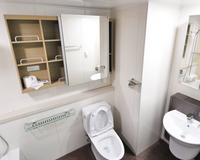

A restroom says more about a building than many people realize. Visitors may not remember every fixture, finish, or hallway detail, but they’ll notice a restroom that feels clean, easy to use, and thoughtfully planned. In commercial spaces, the right accessories help people move through the restroom comfortably while helping staff keep the space stocked, sanitary, and presentable.
Commercial restroom accessories do more than fill wall space. They support daily traffic, help control supplies, improve accessibility, and reduce maintenance headaches. Whether you manage an office, school, medical facility, restaurant, retail space, or government building, choosing the right products can make the restroom work better for everyone who uses it. Here’s what to look for in commercial restroom accessories.
Start With Daily Use
Before you compare finishes or product styles, look at how people use the restroom throughout the day. A small office restroom has different needs than a busy airport, hospital, school, or public park facility. Traffic level should shape nearly every accessory decision.
High-use restrooms need durable dispensers, easy-to-clean surfaces, and products that hold enough supplies between service checks. A restroom that runs out of soap, paper towels, toilet paper, or seat covers creates frustration fast. Staff also lose time when they constantly refill products that don’t fit the building’s traffic.
Think through peak times, not just average use. A restroom may seem quiet most of the day, but it sees heavy traffic during shift changes, lunch hours, events, or class breaks. Accessories should support the busiest parts of the day without creating clutter or crowding.
Choose Durable Materials
Commercial restroom accessories need to handle constant contact. People pull, press, lean, bump, and sometimes misuse them. Lightweight products may look fine at installation, but daily traffic can expose weak hinges, flimsy covers, loose mounts, and finishes that scratch too easily.
Stainless steel remains a popular choice because it handles moisture, frequent cleaning, and steady use well. It also fits many commercial design styles, from practical service spaces to polished public restrooms. Powder-coated finishes, heavy-duty plastics, and vandal-resistant designs can also work well when the space calls for them.
Durability also depends on construction details. Look at seams, locks, mounting points, door swings, and refill access. A product that looks sturdy on a spec sheet should still support quick service and long-term use.

Match Accessories to the Space
Every restroom has limits. Wall space, stall layout, plumbing locations, door swings, grab bar placement, and traffic flow all affect accessory selection. A product may work well in one restroom but create crowding or awkward movement in another.
For example, oversized dispensers can block circulation in narrow rooms. Poorly placed mirrors can conflict with lighting or splash zones. Trash receptacles can interrupt movement when staff place them too close to doors, sinks, or accessible routes.
Good planning starts with the full layout. Think about where users enter, wash, dry, dispose of waste, and exit. Each accessory should support that movement instead of forcing people to reach across fixtures, step around bins, or crowd near one wall.
Plan for Accessibility
Accessibility should shape commercial restroom accessory decisions from the beginning. Grab bars, mirrors, dispensers, hand dryers, toilet tissue holders, and disposal units all need placement that supports comfortable use. A restroom can include quality products and still create problems when installers place them at the wrong height or location.
Pay close attention to reach ranges, clear floor space, and the relationship between accessories and nearby fixtures. A soap dispenser should sit where users can reach it from the sink. A mirror should work for people who use mobility devices. A hand drying option should not block the path of travel.
Accessory selection and placement should also account for grab bars and stall dimensions. In accessible stalls, every product needs a purpose and a proper location. Crowded accessory placement can make a stall harder to use, clean, and maintain.
Think About Maintenance
Facility teams care about how restroom accessories perform after installation. A product that looks sleek but takes too long to refill can slow down service. A dispenser with awkward locks, hidden jams, or hard-to-reach components can frustrate staff every week.
Maintenance-friendly accessories help teams work faster. They open easily for authorized staff, use practical refill systems, and allow quick visual checks. Clear windows, simple mechanisms, and standard supply compatibility can reduce guesswork.
Cleaning also matters. Restrooms collect moisture, fingerprints, soap residue, paper dust, and debris. Smooth surfaces, accessible corners, and corrosion-resistant materials help staff clean thoroughly without fighting the product design.
Compare Capacity and Supply Control
Supply capacity plays a major role in restroom performance. Small dispensers can work in low-traffic spaces, but they can create constant refill demands in busier buildings. Large-capacity accessories can reduce service visits, but they still need to fit the layout and look appropriate for the room.
Soap dispensers, paper towel dispensers, toilet tissue holders, and toilet seat cover dispensers should match expected traffic. A commercial paper towel dispenser that runs empty during peak use creates lines at the sink area and leaves counters wet. A toilet tissue dispenser with poor capacity can create even bigger complaints.
Supply control also deserves attention. Some dispensers help limit waste by releasing measured amounts. Others accept universal refills, which may help purchasing teams manage costs and stock levels. Choose a system that fits the facility’s buying process and service routine.
Select Smart Disposal Options
Waste disposal affects cleanliness, odor control, and user comfort. Restrooms need trash receptacles near handwashing areas, but they also need thoughtful disposal options inside stalls. When users lack a proper place to discard hygiene products, staff often face plumbing problems, messier stalls, and more frequent complaints.
A tampon disposal bin gives users a cleaner, more discreet option inside the stall. It also helps protect plumbing by encouraging proper disposal instead of flushing products that can cause blockages. In busy restrooms, stall-level disposal can make a noticeable difference in day-to-day maintenance.
Choose disposal accessories with secure lids, easy service access, and materials that handle frequent cleaning. Wall-mounted options can save floor space, while freestanding bins can work well in larger rooms. The right choice depends on stall size, cleaning routines, and expected traffic.
Balance Hygiene and User Comfort
People want commercial restrooms to feel clean and easy to use. Accessories play a big role in that experience. Soap dispensers, hand dryers, paper towel holders, toilet seat cover dispensers, and waste receptacles all affect how users judge the space.
Touch-free accessories can reduce shared contact points, especially in high-traffic facilities. Manual products can still work well when they feature sturdy construction and simple operation. The best choice depends on the building type, maintenance preferences, and budget.
Comfort also comes from predictability. Users shouldn’t need to search for soap, reach awkwardly for towels, or walk across the room to throw something away. When accessories sit where people expect them, the restroom feels more organized and easier to use.

Keep Appearance Consistent
Restroom accessories should fit the overall look of the building. They don’t need to feel fancy, but they should look intentional. Mismatched finishes, random product sizes, and crowded walls can make even a clean restroom look poorly planned.
Consistent finishes help create a polished appearance. Stainless steel accessories often pair well with commercial mirrors, grab bars, partitions, and neutral finishes. Black, white, or specialty finishes can work too when the design calls for a more modern look.
Appearance should never come at the cost of function. A slim dispenser may look sharp but fail in a busy restroom if it needs constant refills. A large unit may offer great capacity, but overpower a small room. Strong restroom planning balances both sides.
Check Product Compatibility
Commercial restroom accessories often connect to broader purchasing and maintenance systems. A dispenser may require a specific refill. A paper towel holder may only fit certain towel sizes. A soap dispenser may work with bulk soap, cartridges, or proprietary refills.
Compatibility can affect long-term costs and staff routines. If a facility already stocks certain supplies, accessory choices should support that inventory when possible. Switching refill systems may make sense, but teams should understand the impact before they commit.
The same idea applies to replacement parts. Locks, keys, covers, pumps, hinges, and mounting hardware can wear over time. Products with accessible parts and clear specifications can make repairs easier later.
Build a Better Restroom
Commercial restroom accessories may seem like small details, but they shape the daily experience for visitors, employees, tenants, patients, and staff. The right choices help people use the space comfortably and help maintenance teams keep the restroom clean, stocked, and efficient.
A well-planned commercial restroom doesn’t happen by accident. It comes from practical choices that support real traffic, real users, and real maintenance routines. With the right accessories in the right places, a restroom can feel cleaner, function better, and reflect well on the entire building.